Konya
Şeb-i Arûs · 10–13 December 2026
Four days in Rumi’s city, during the most alive week of its year.
Days: 4 (3 nights)
Group Size: 10
The voice of Love,
Each moment comes,
From everywhere.
— Jalāl al-Dīn Muḥammad Rūmī
Why December?
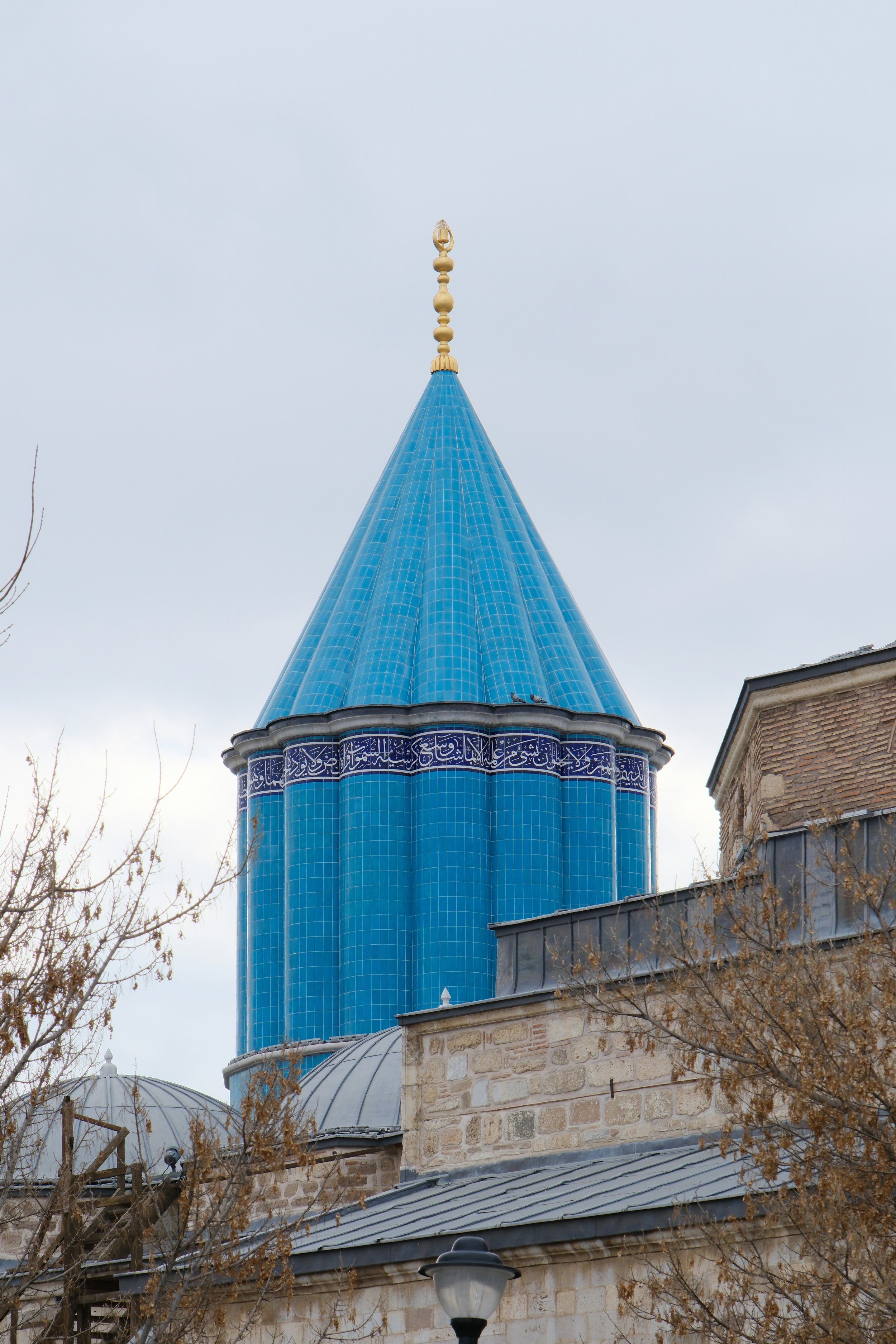
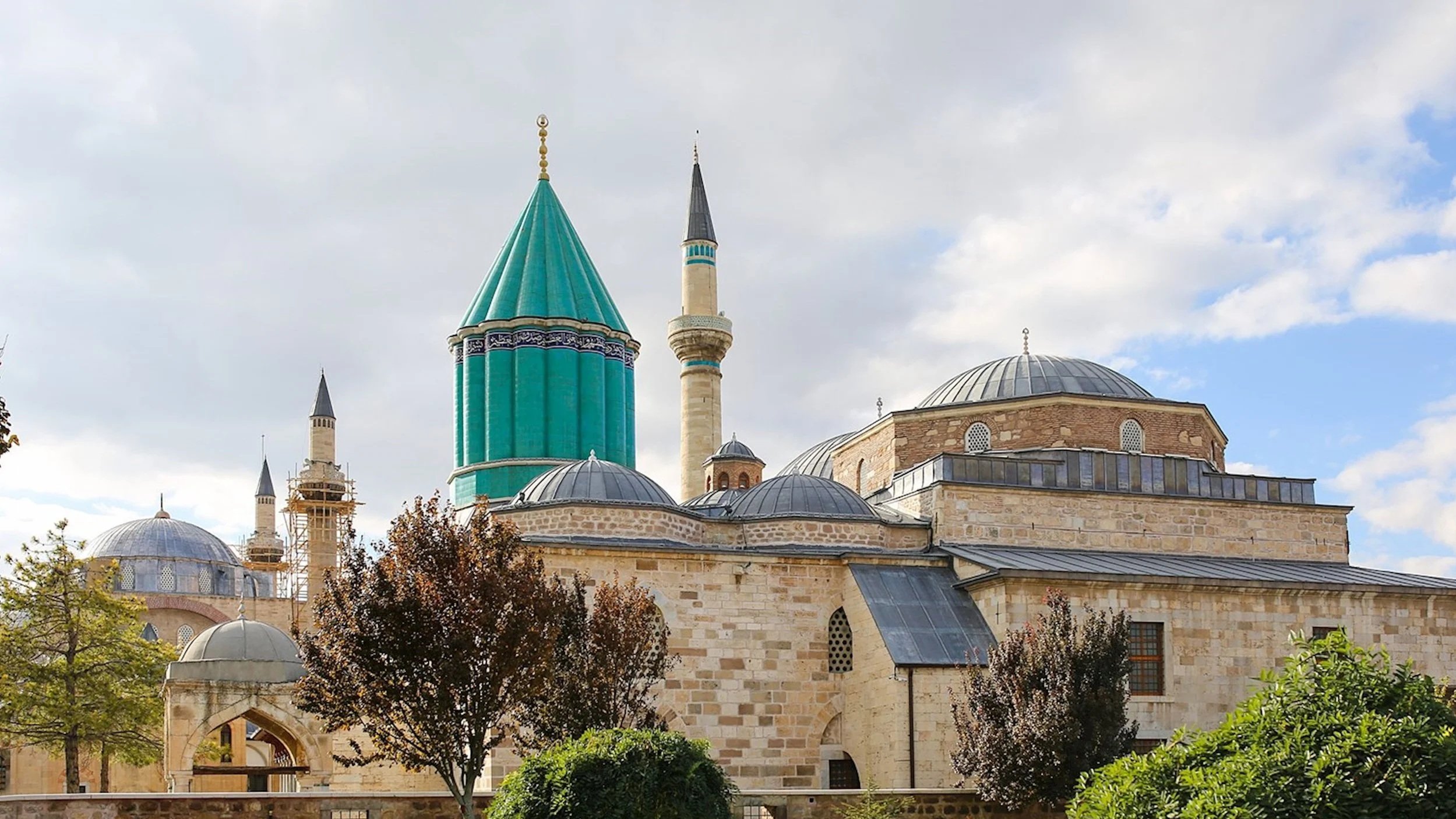
Rumi lived and died in Konya, and still rests beneath its green dome.
Every December, pilgrims, musicians and seekers from all over the world arrive in his city. You start spotting them at the airport, frame drums and neys under their arms. They come to honour the night he passed into union with the Beloved: Şeb-i Arûs, the wedding night.
A night he asked to be celebrated, not mourned.
Konya in December is cold. And very warm.
For four days, we’ll be part of it: meşk, zikr, sohbet and sema, in the most alive week of Konya’s year.
What is Sufism?
The path of the heart.
Sufism is the mystical heart of Islam: a path that seeks God not through argument, but through love, longing and direct experience.
For centuries it has given the world some of its most luminous poetry, music and movement, because it holds that the way to the divine runs through the heart, and the heart can be cultivated.
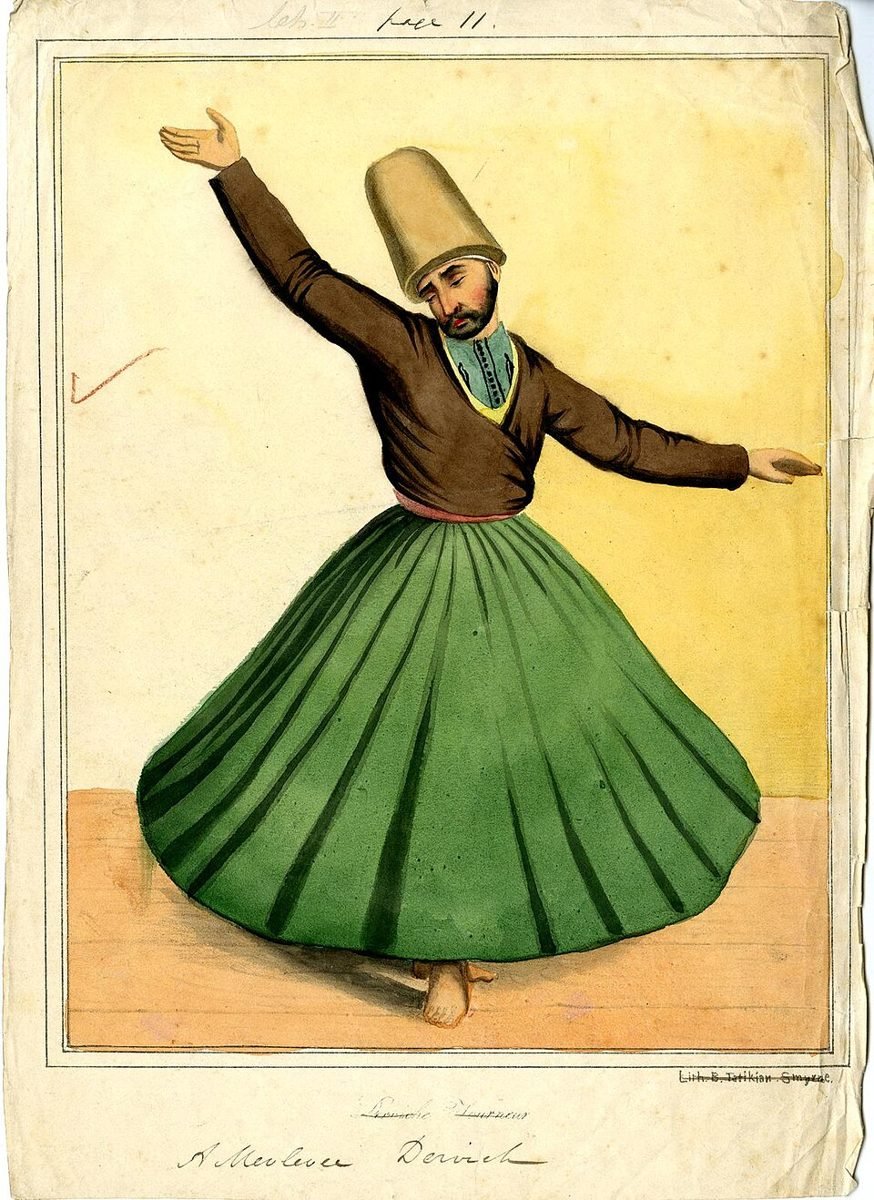
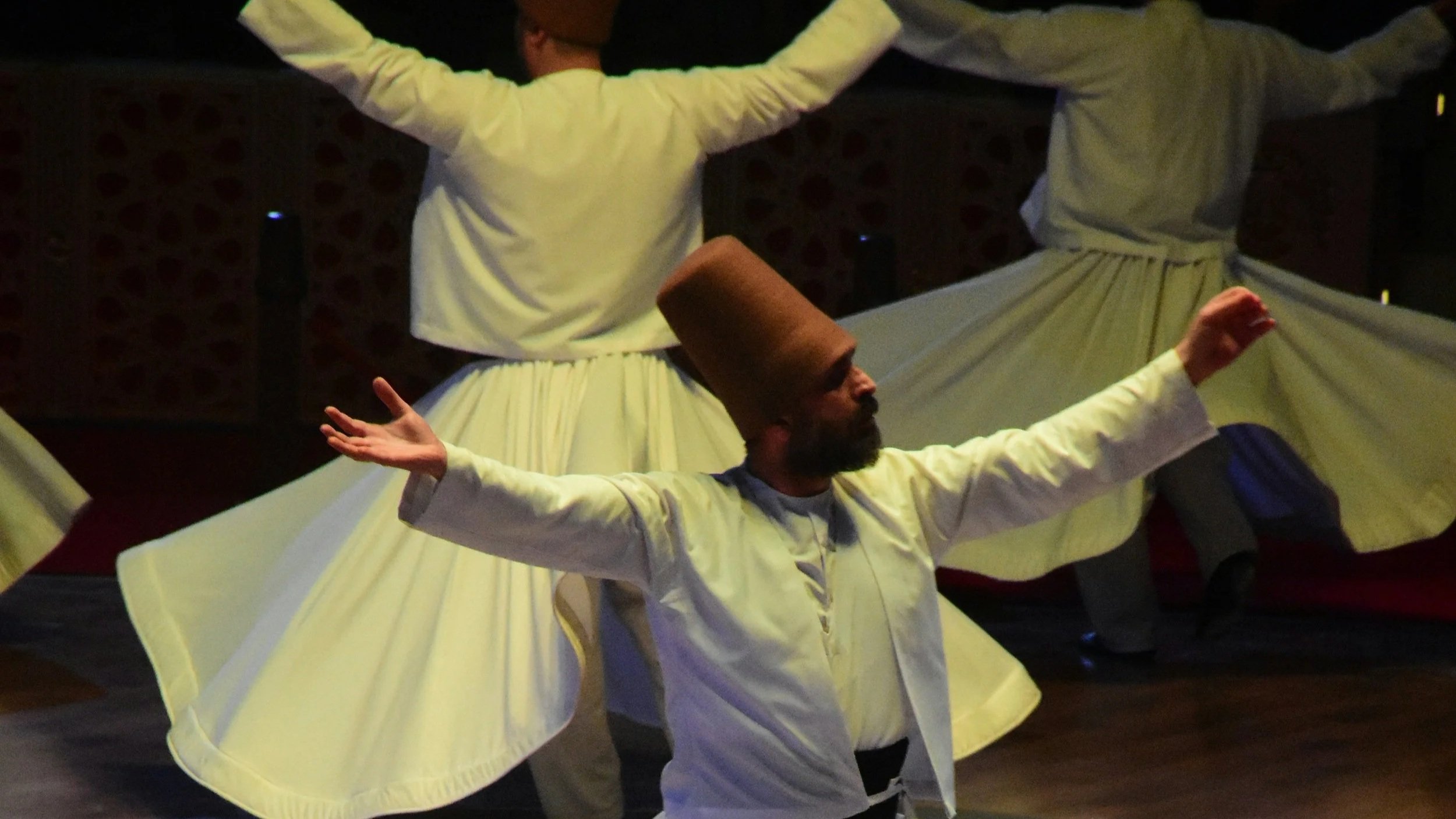
Konya is one of the places where that path never stopped. After Rumi died here in 1273, his son and students founded the Mevlevi order around his teachings. They are the “whirling dervishes,” and their ceremony, the sema, is a prayer made with the whole body. UNESCO now lists it as Intangible Cultural Heritage, but in Konya it is still lived, not staged: in the dergâh, in the felt workshops, in rooms where music is passed on by ear.
You don’t need to be religious to be moved by it, or to be welcomed into its spaces.
But you do need to meet it as what it is: a living spiritual tradition, not a style.

What we will live together
Music and zikr gatherings.
Ney, voice and frame drum, in community centres, dergâhs and wherever the celebrations happen.

Teachings.
Sohbet with local Sufi masters: conversations on Rumi, on the path, and on what it means to live this tradition today.
The great sema.
In these December days the Mevlevi commemoration draws thousands. You may come expecting a performance. It isn’t one.
Semah workshop.
Then it’s our turn: the first steps of the turn and the circle of remembrance. No experience needed.
Sacred sites.
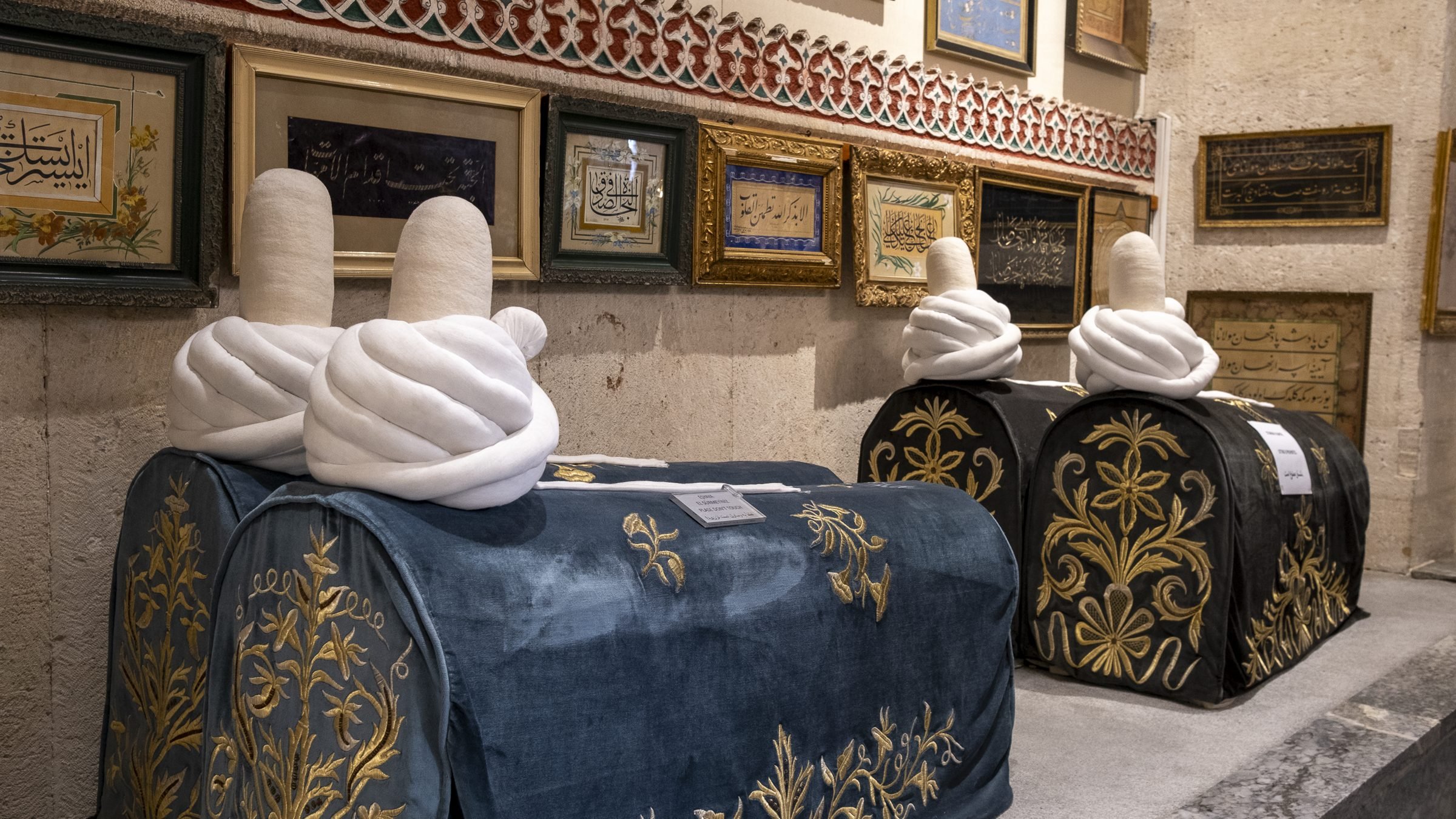
Rumi’s resting place beneath the Green Dome, and that of his teacher, Şems-i Tebrizi, with the mosques and shrines of the old city.
Anatolian life.
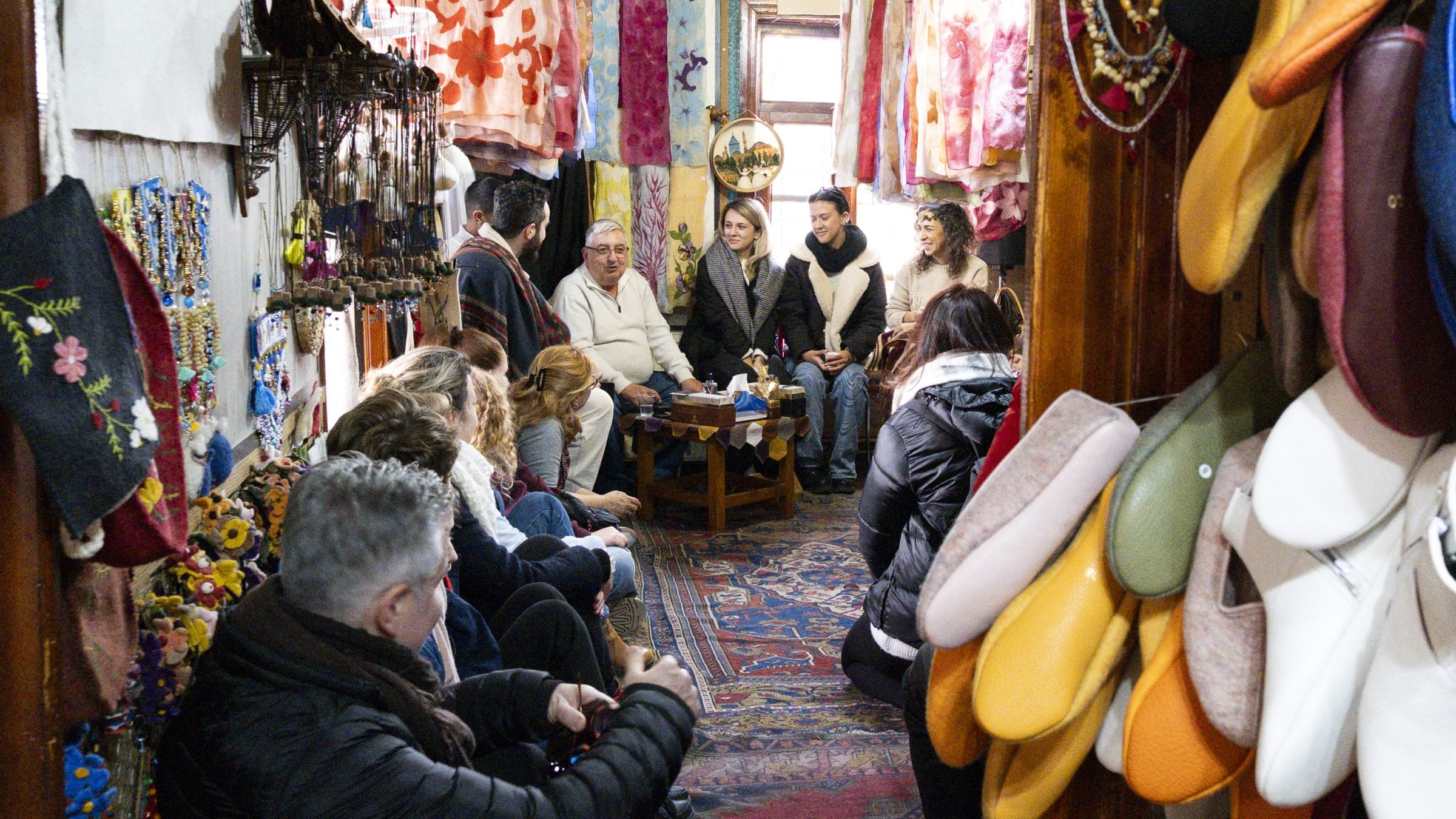
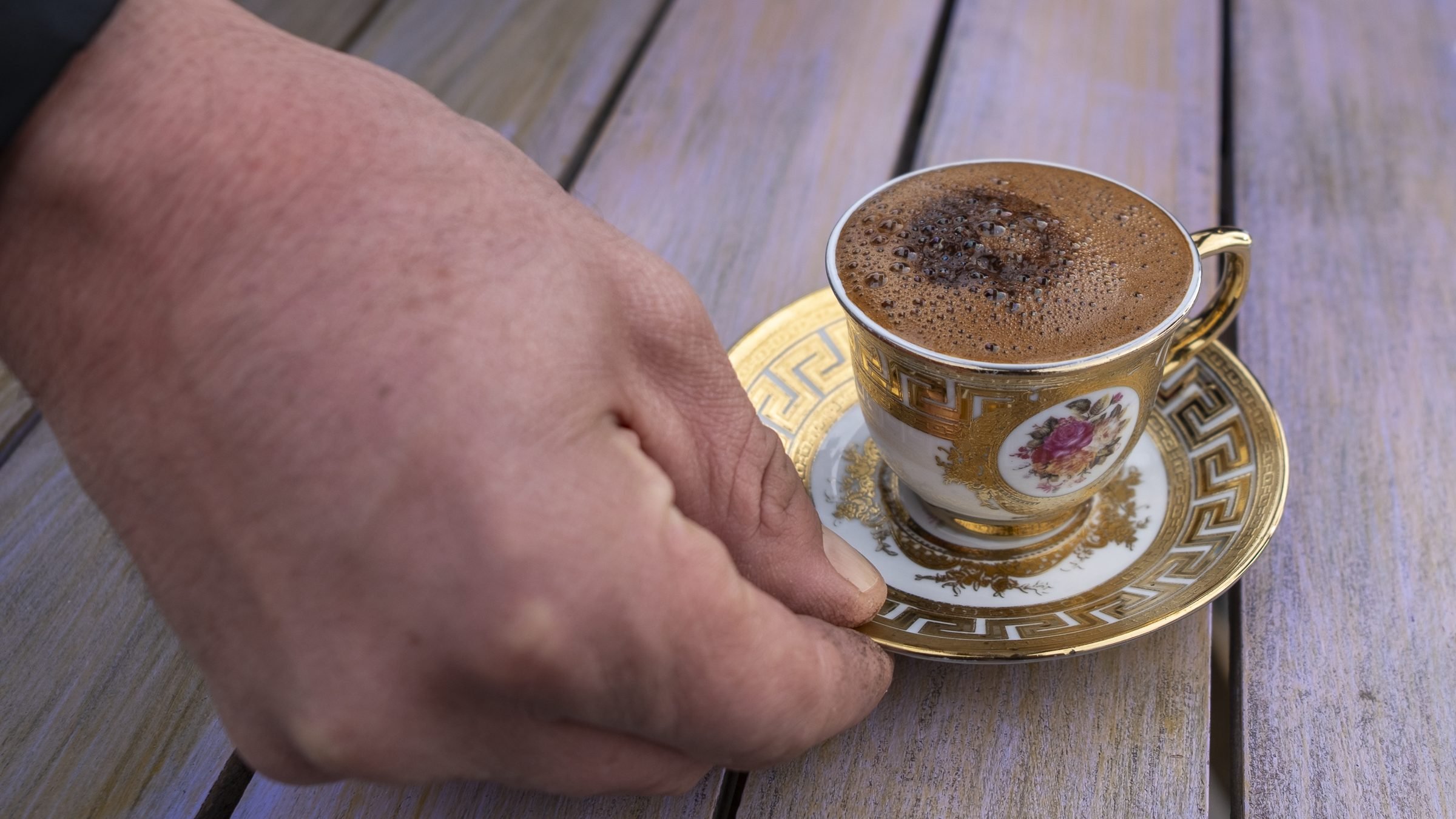
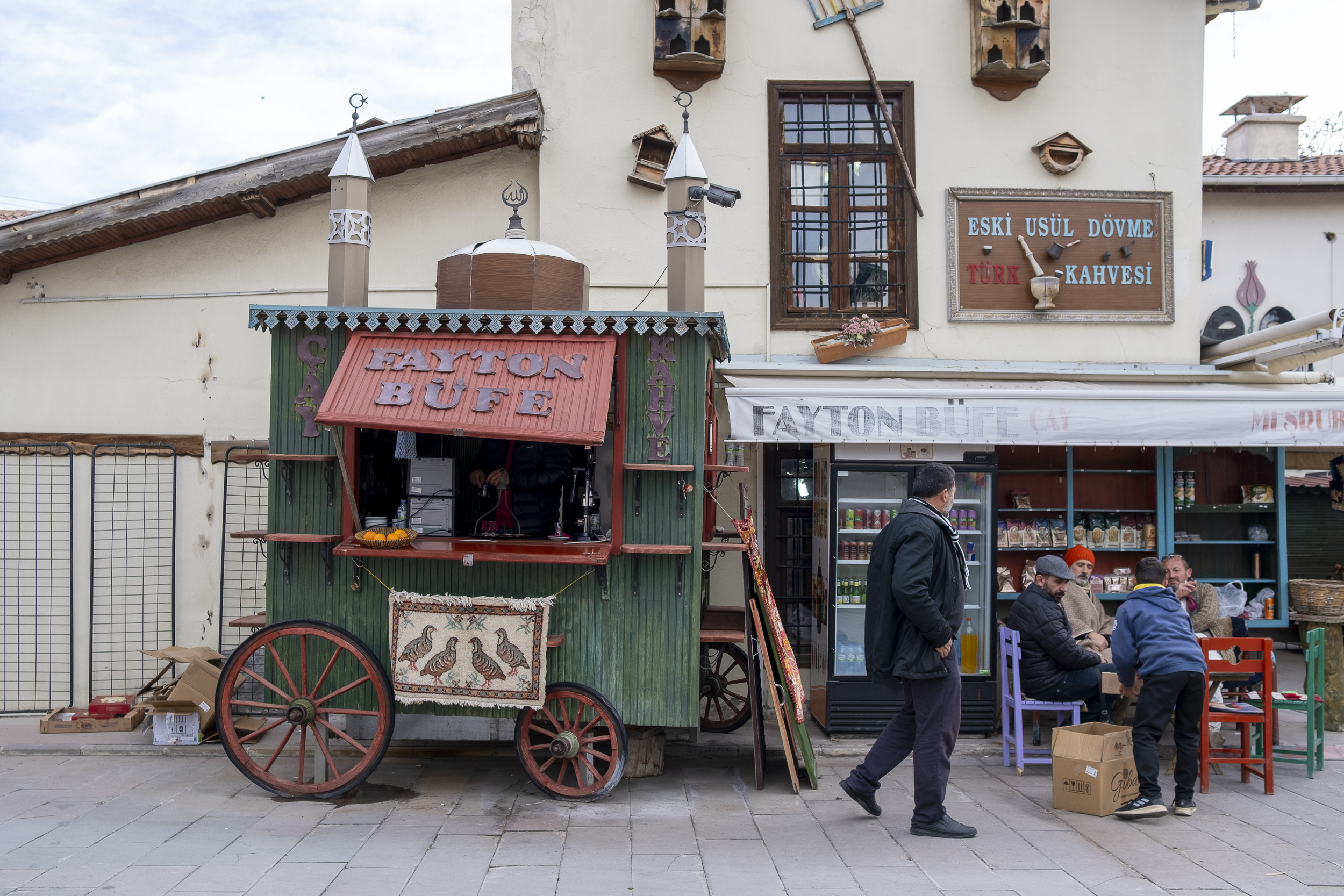
A long Turkish breakfast. Coffee and chai. The old bazaar, its spice sellers, felt makers, rooms full of calligraphy and carpets.
Hammam.
Water, heat and a good rub in the middle of our journey.
Ancient rituals, never forgotten.
Sharing circles.
Transformation happens in community: we start the circle before even landing and at the end we bring Konya home.
Not quite a spiritual retreat, much more than simple travelling.
I didn’t find Konya, Konya found me…
The first time I went to Konya was 2018.
I was working in Iraq and I didn’t quite understand what was there. I remember Rumi’s tomb, and an incredible sense of peace after the hectic pace of the rest of Turkey.
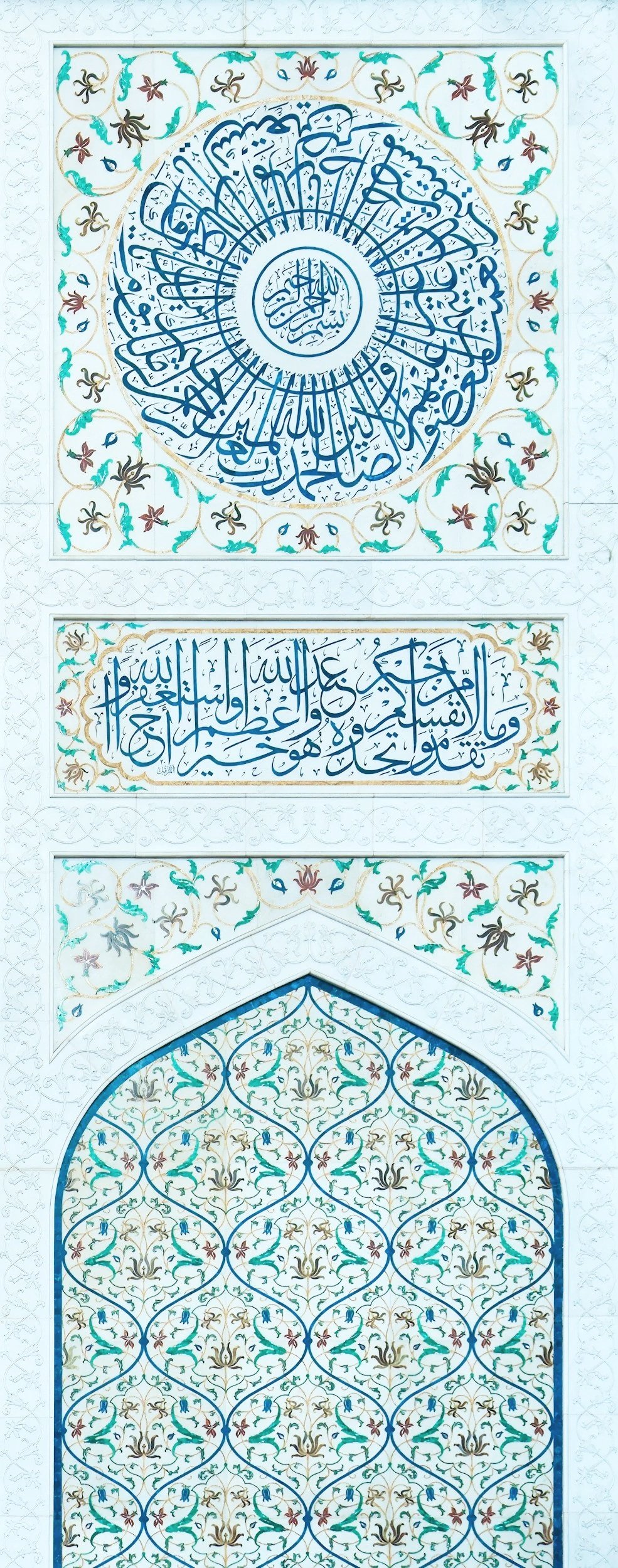
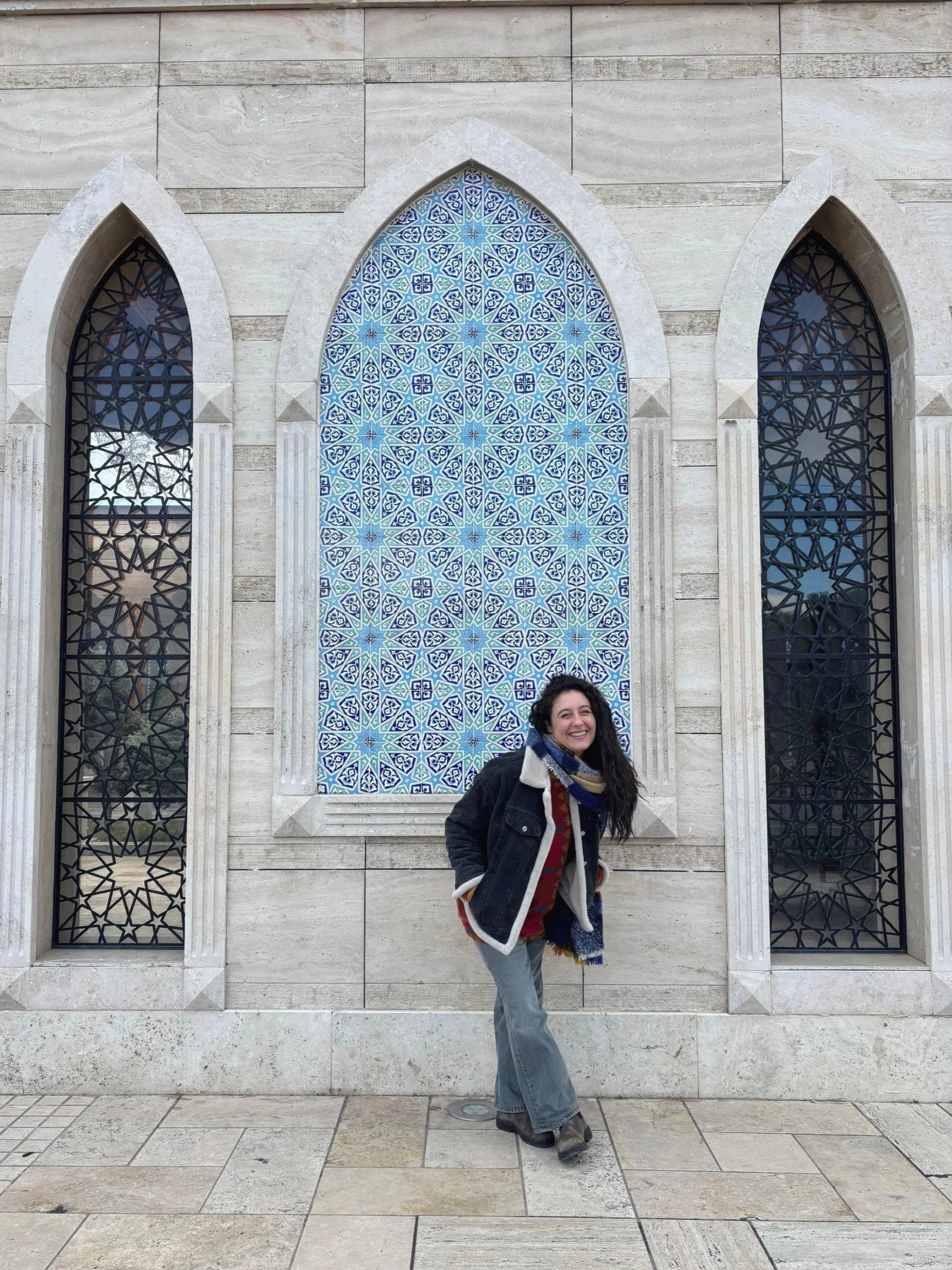
The second time was December 2024, for Şeb-i Arûs. Who commemorates someone’s death? Then I understood.
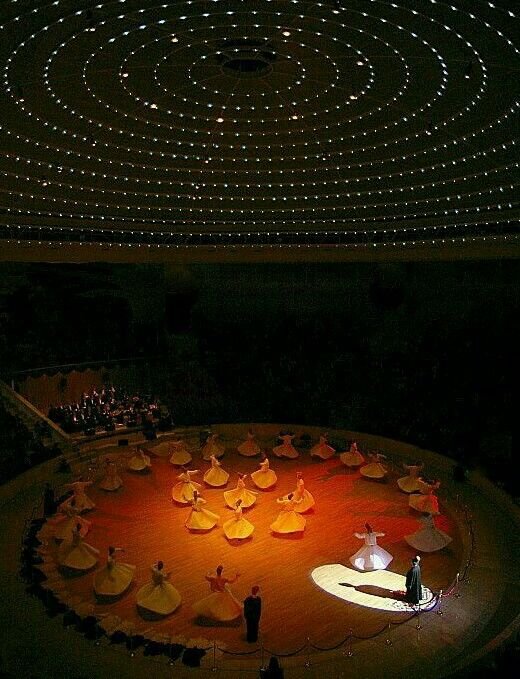
What made me fall in love was the Mevlevi sema. I went expecting a performance. It wasn’t one. As soon as the turning begins, you know you’re not watching. You’re participating. I felt a sense of unity that brought tears to my eyes.
Unless you’re already on a Sufi path, you’d probably never know this week exists. It stays a secret hidden in plain sight.
I dreamt of bringing a group here, and finally it’s happening.
— Oriana
What is included?
-
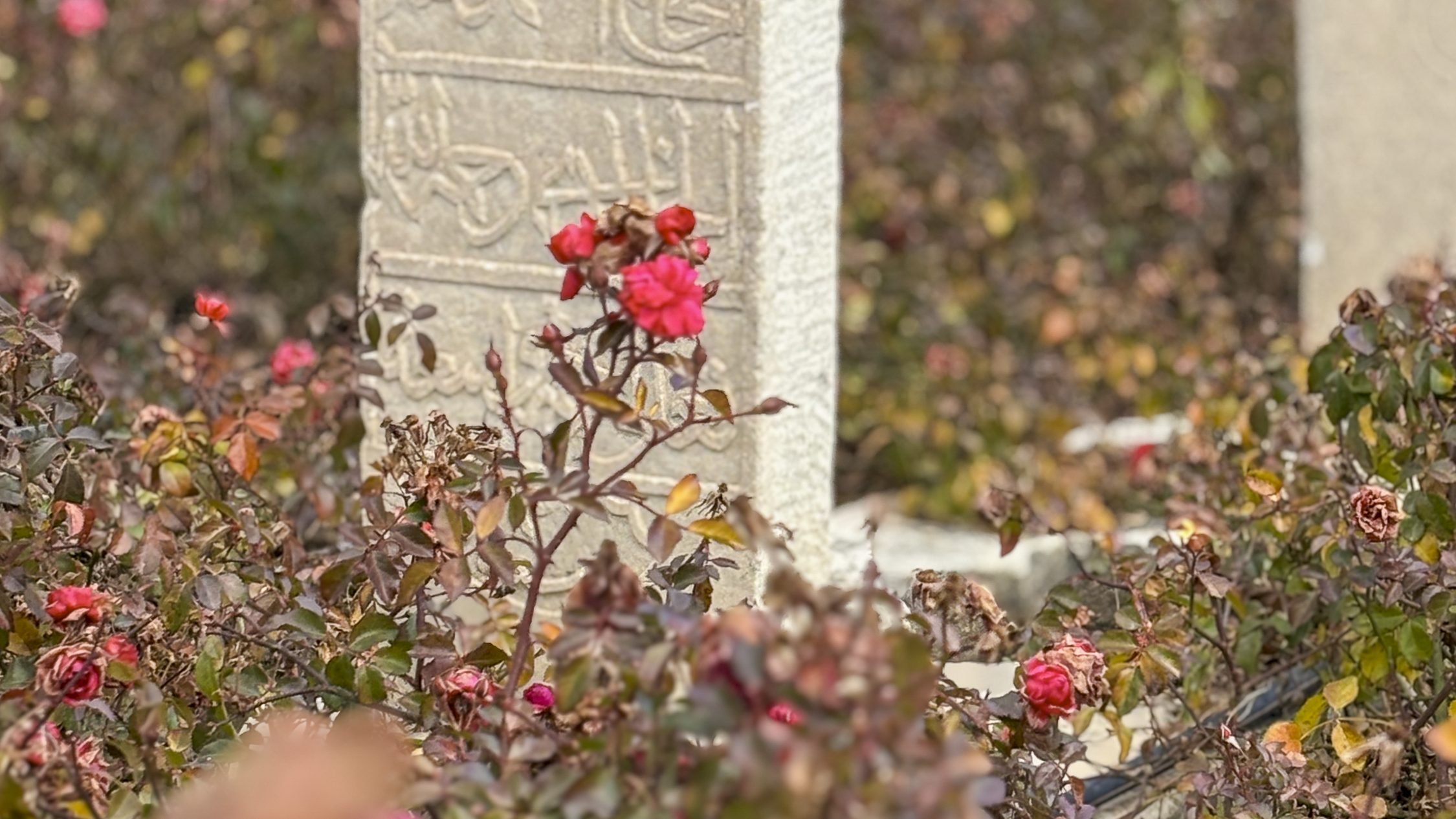
![Red roses beside a carved Ottoman gravestone near Rumi's tomb in Konya]()
Visits to the sacred sites
Rumi’s tomb, the shrine of Şems-i Tebrizi (Shams of Tabriz) and other mosques. Places that have welcomed pilgrims and seekers for centuries.
-
![Mevlevi whirling dervishes during the Seb-i Arus sema ceremony in Konya, Turkey]()
Entrance to the main Sema ceremony
The great Mevlevi commemoration of Şeb-i Arûs, in the most alive week of Konya’s year. It sold out within 3 days!
-
![Oriana, Senem and Celalettin Dede in his felt workshop in Konya]()
All activities and workshops
Sohbet with local Sufi masters, music and zikr gatherings, and our own sema workshop.
-
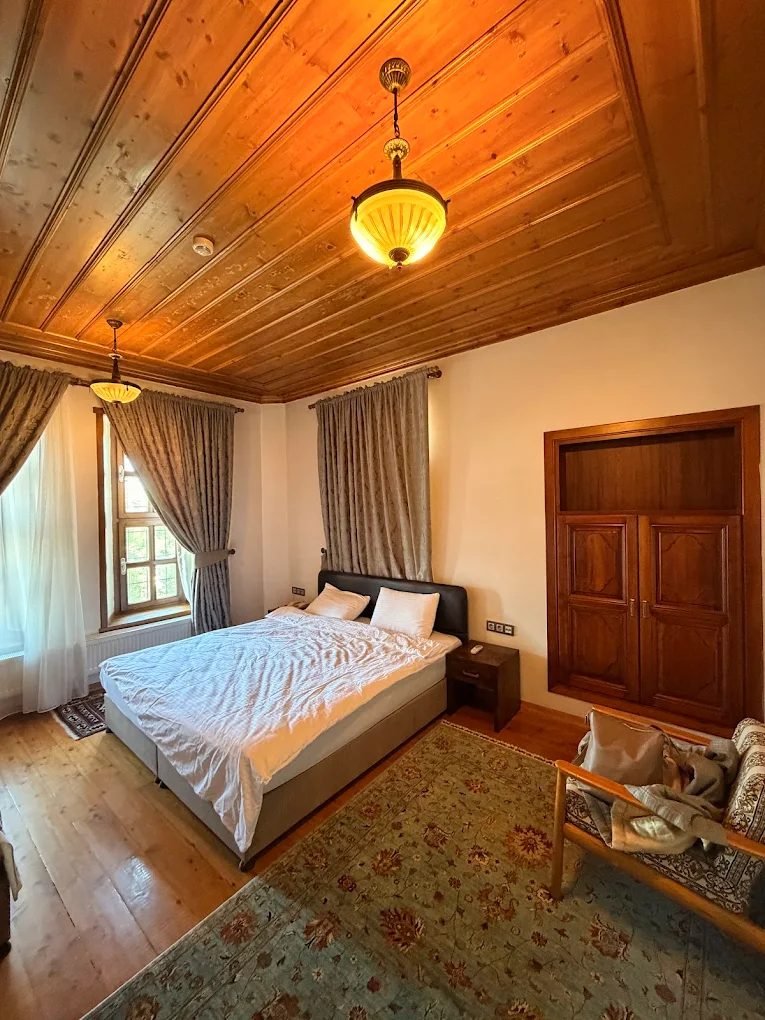
![Bedroom with wooden ceiling in a boutique hotel in Konya]()
Boutique hotel for 3 nights
A boutique hotel shaped like a dervish lodge, in the heart of the old town, a short walk from Rumi’s resting place.
-
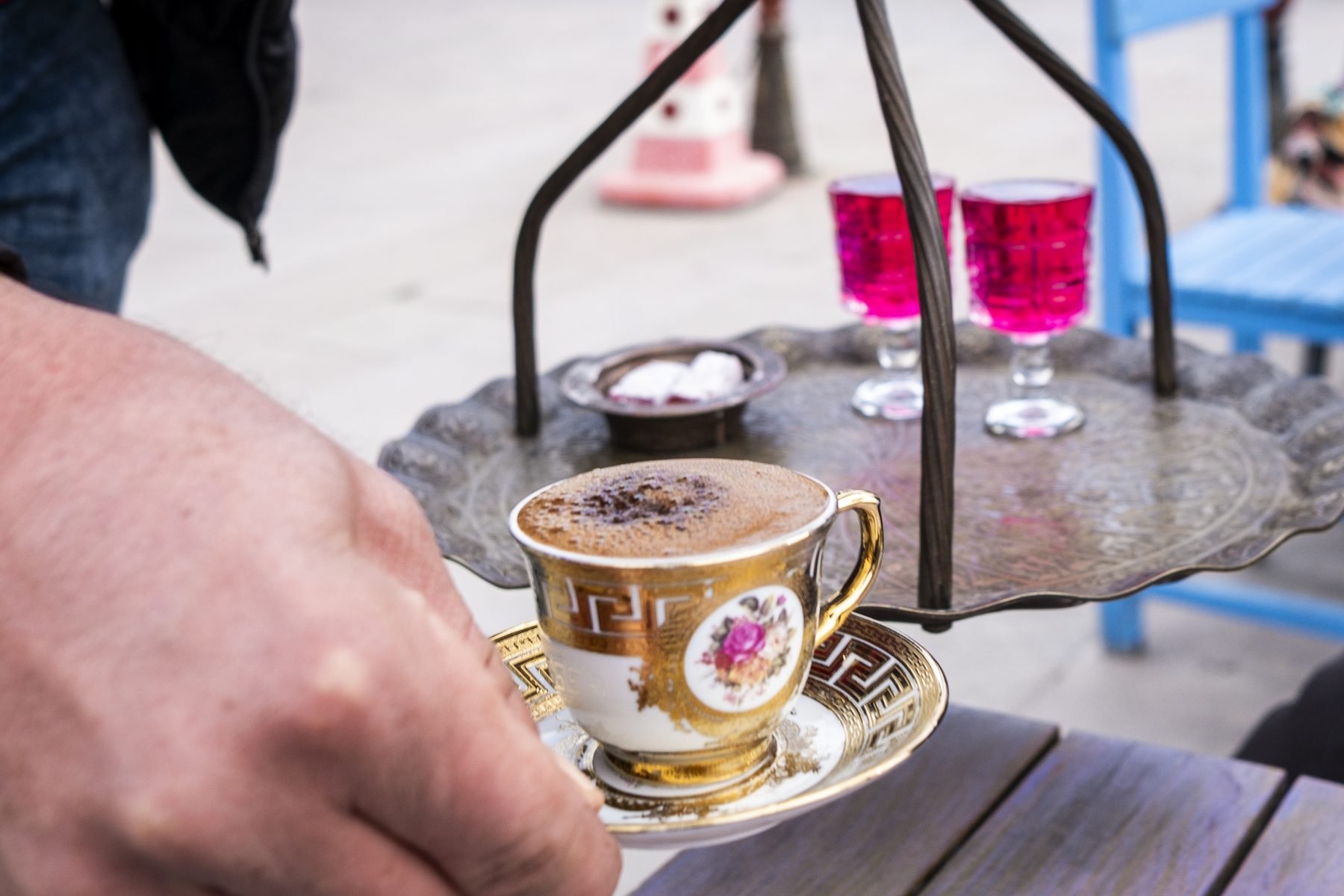
![Turkish tea and coffee served on a café table]()
Two meals a day
From long Turkish breakfasts to dinners together: the warmth of Anatolian food, shared.
-
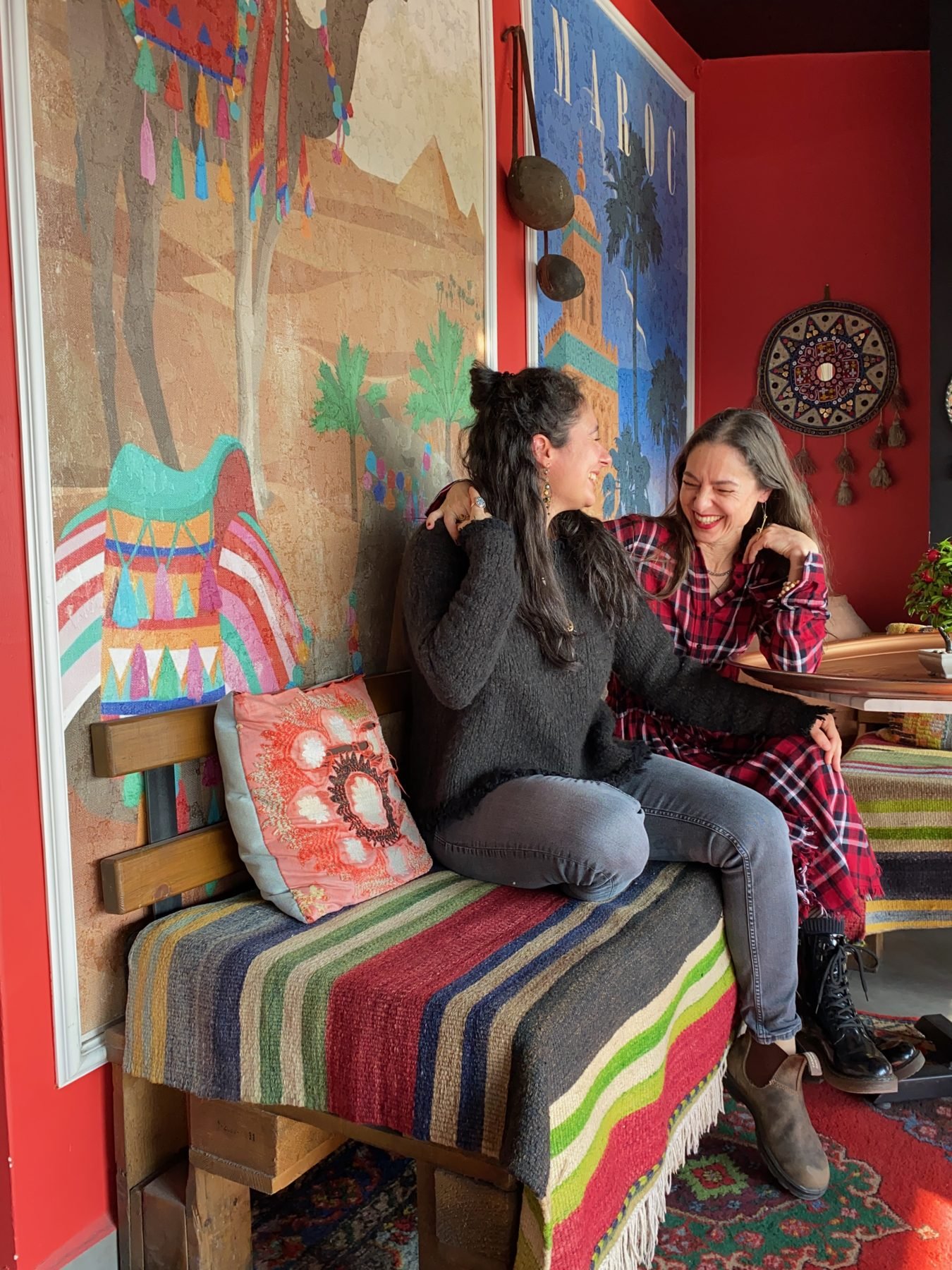
![Friends laughing on colourful cushions in a Konya café]()
Pre-journey and post-journey online gatherings
This journey starts before we meet and continues after we part: to prepare, to meet your fellow seekers, and to bring Konya home.
Your hosts
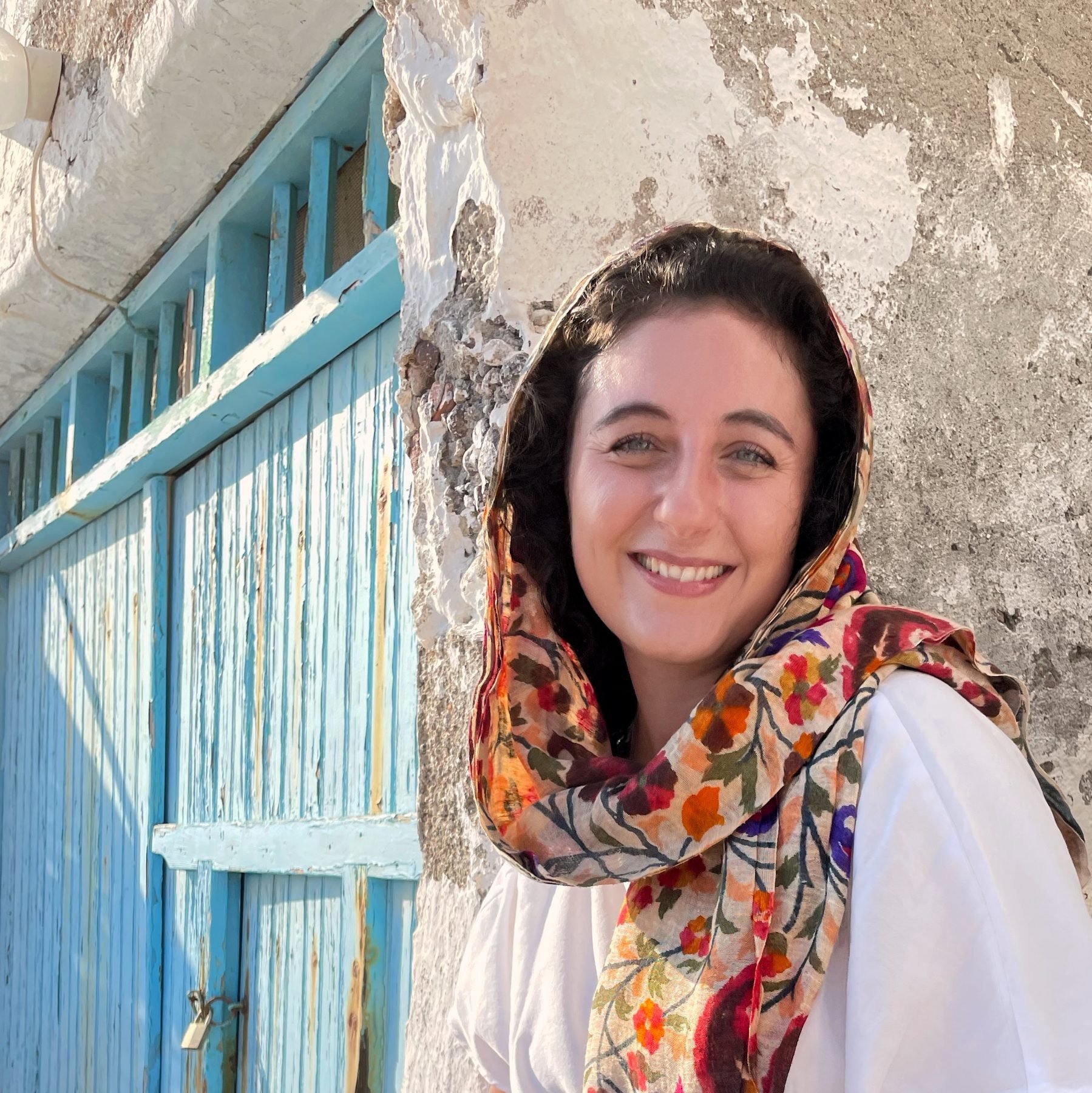
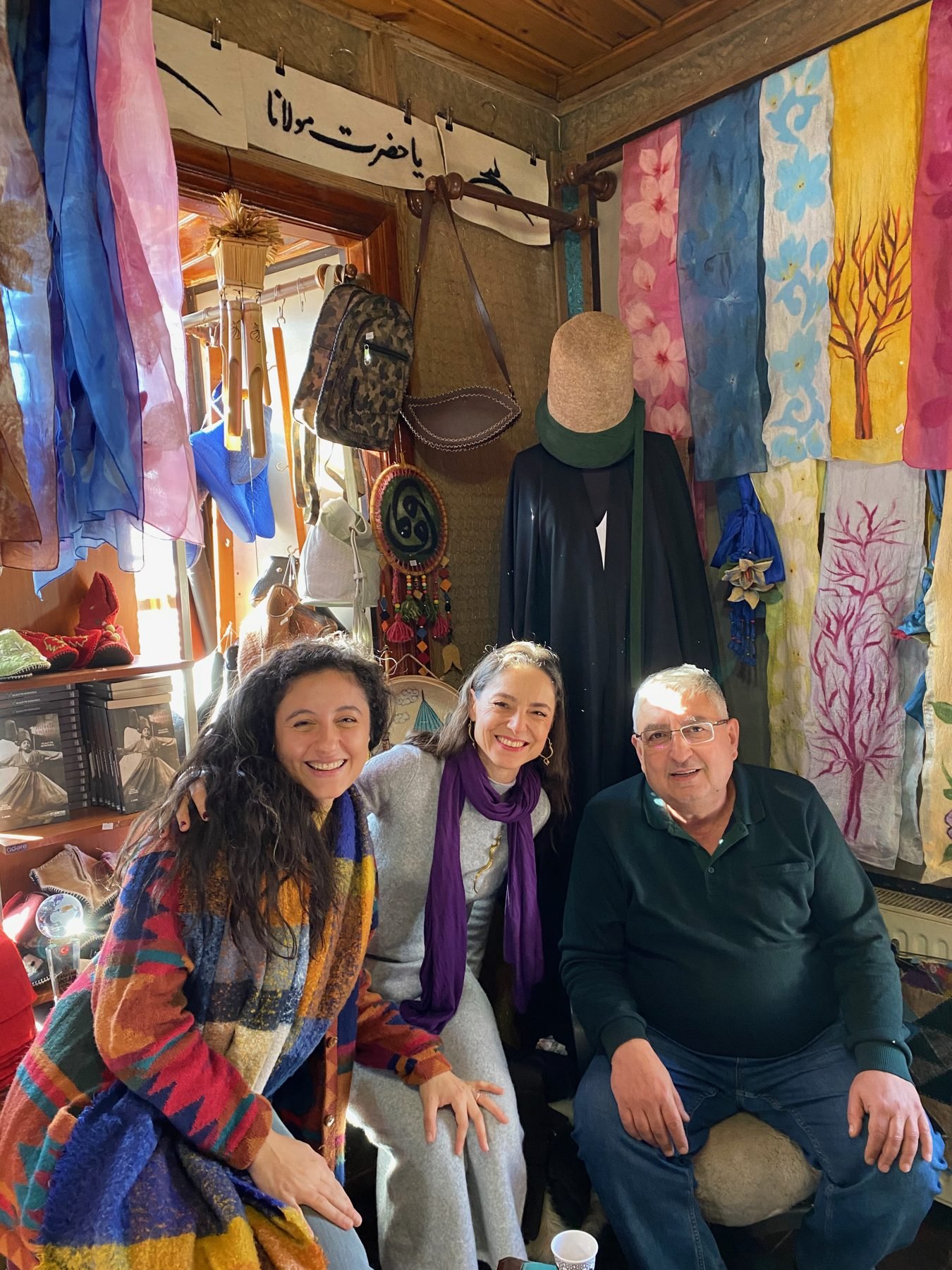
Founder and facilitator
Oriana
The heart and guide of Seeker Journeys. Your anchor, holding our circles and the space in between, so you stay rooted while Konya turns you inside out.
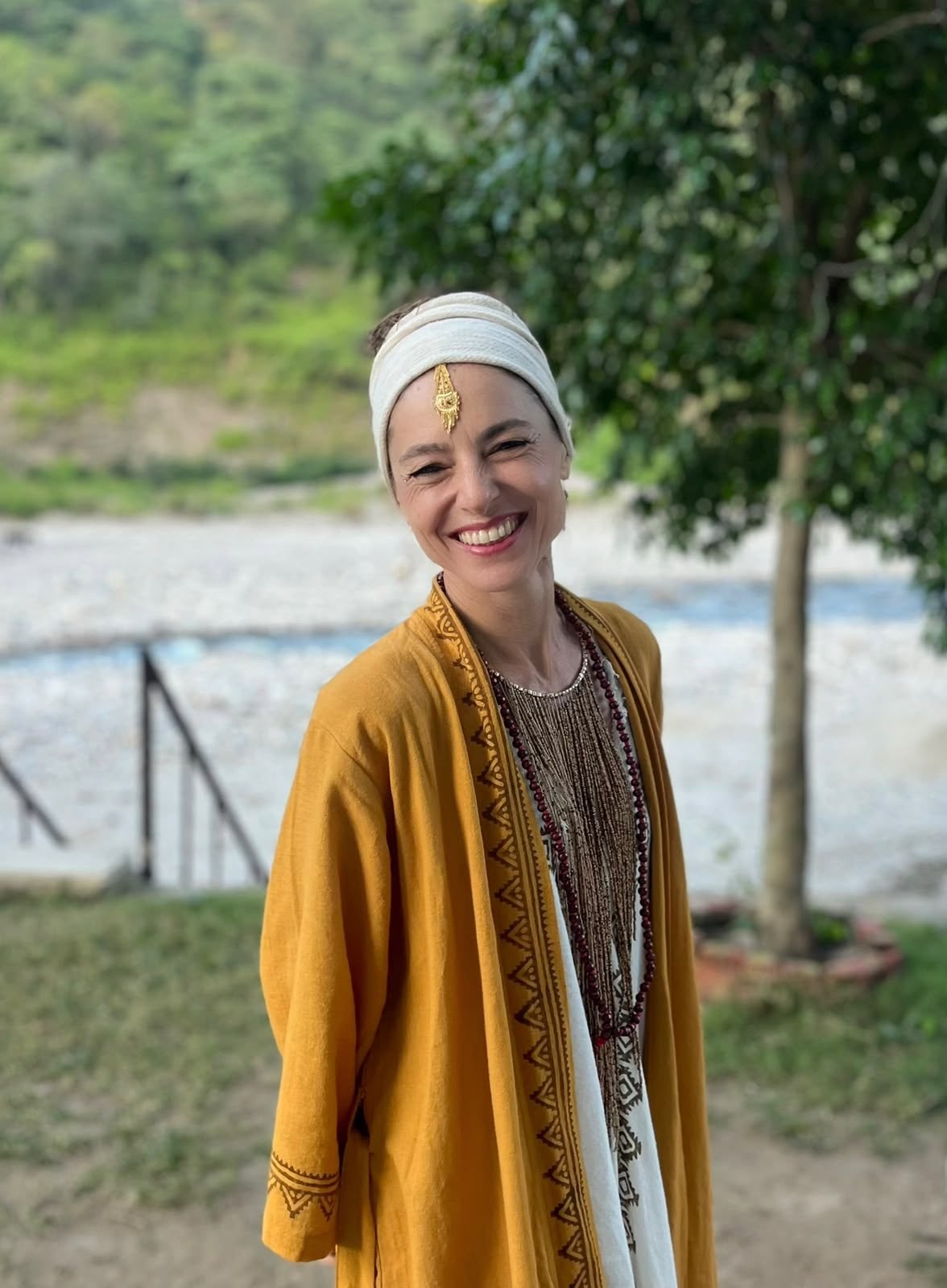
Co-facilitator and translator
Senem
Our insider and bridge to Turkey. She has come to Konya for Şeb-i Arûs many times. Ask her anything, from how to greet a dede to which börek to order.
Your guides
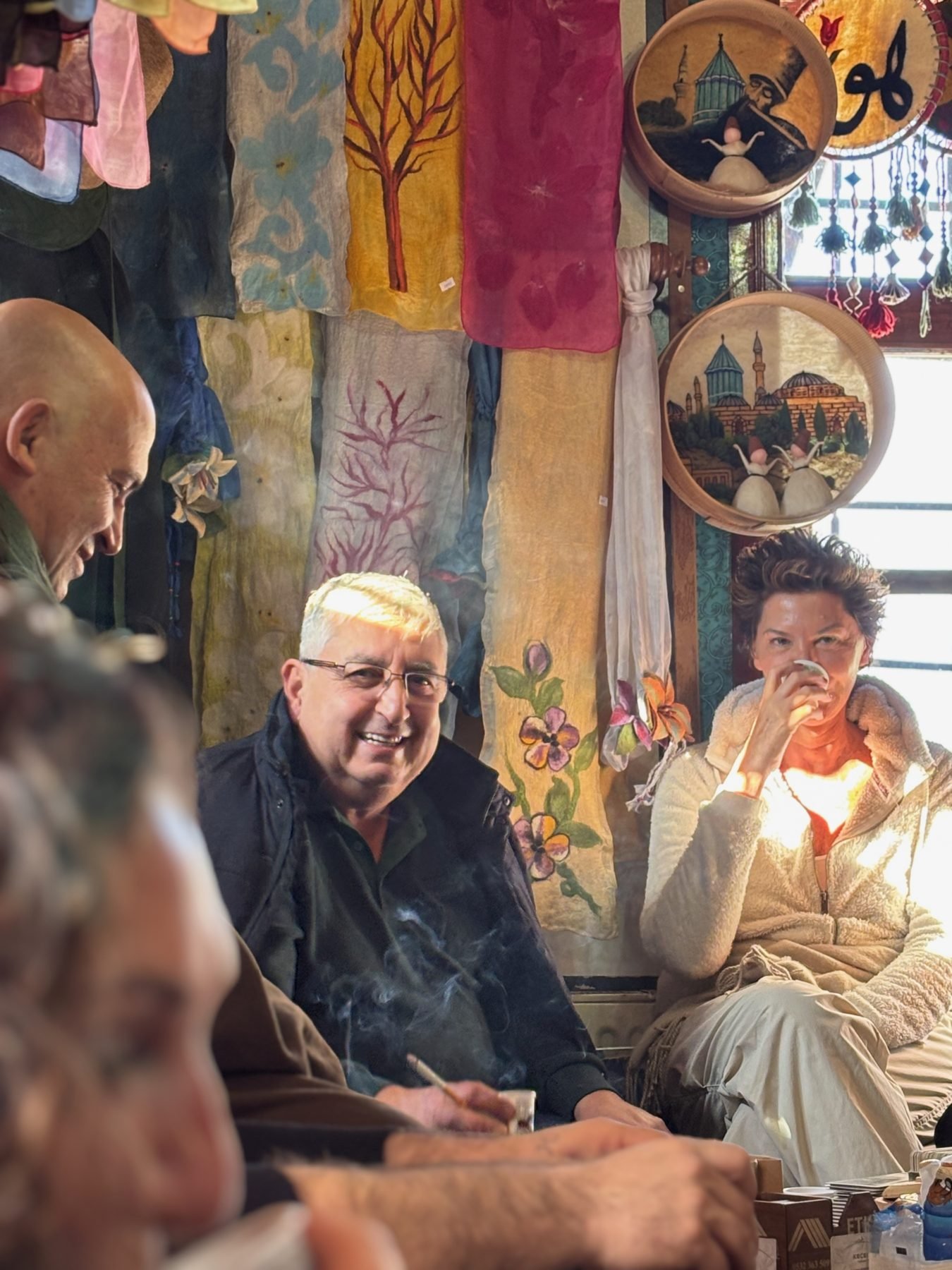
Celalettin Dede
Sufi master and semazen
Konya’s master of felt, and a semazen since he first encountered the sema at the age of six and put it at the centre of his life (together with felt). He will share with us what a life of turning looks like from the inside.
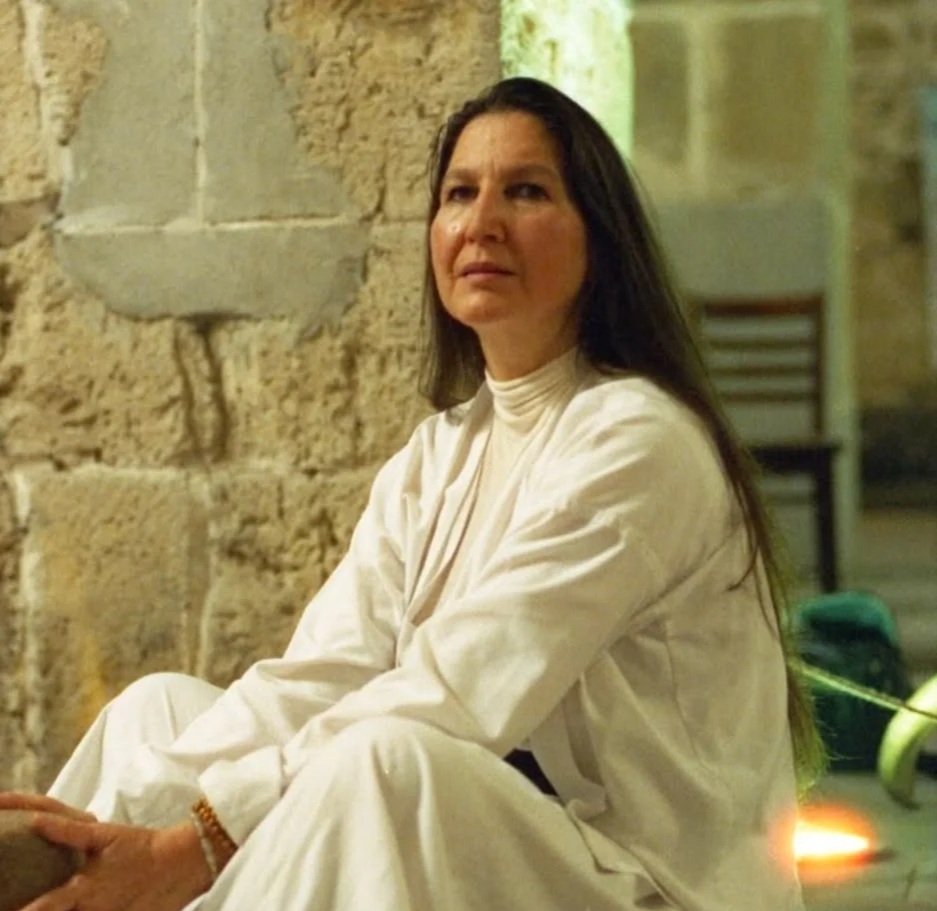
Francesca Ferah
Teacher of the Sufi whirling
After 99 days and 99 nights of semâ, her master Dr. Rahmi Oruç Güvenç named her Ferah, “luminous tranquility”. She now carries this tradition, teaching internationally.
Receive the journey guide
Everything you need to decide whether this journey is for you, in one place: the four days one by one, six Sufi words you’ll hear in Konya, your guides and teachers, where you’ll stay, what’s included and how to reserve.
Leave your details and the guide opens right away.
If this calls to you: three gentle steps
-
Send us a DM on Instagram at @seeker_journeys, or download the journey guide first: everything you need to know about the four days is inside.
-
A relaxed conversation to get to know each other, answer your questions and feel together if this journey is right for you. Send us a DM on Instagram and we’ll find a time that suits you.
-
Send us a DM on Instagram to secure your place, and welcome to the circle. Our online gathering before we leave is where the journey begins.
FAQs
-
Not at all. Many of the people who gather in Konya for Şeb-i Arûs are Sufis or Muslims, but Sufism is ultimately a path of the heart, and hearts don't come with a membership card.
You'll be welcomed into the dergâh, the music, the zikr circles. All we ask is respect and a willingness to be moved:
Sufism is a living tradition, the faith of many of the people we'll meet, not a style to try on. Come curious. Konya takes care of the rest.
-
Because this is the week Konya lives for.
The city holds sema all year, but in December the great Mevlevi commemoration of Rumi's death draws thousands of people from all over the world, and music spills out of lodges, cafés and community centres at all hours (including hours nobody would call reasonable).
Tickets for the main sema usually go within days of going on sale. PS: we've got ours ;)
-
Easier than it sounds.
Most people fly into Istanbul and hop on a one-hour domestic flight to Konya, then it's about 20 minutes by taxi to the old town.
Or take the high-speed train from Istanbul or Ankara: comfy, and the wintry Anatolian plains out of the window are a pretty good warm-up.
Not sure what works best from where you are? Just ask. We love a good logistics puzzle.
-
You are in great company, most people do! A group of ten gets close fast: we meet online before we leave, so you'll land already knowing a few faces, and somewhere around the second dinner (and tenth chai) you'll forget you came alone.
-
Of course, I love a good adventure myself.
But Şeb-i Arûs is a secret hidden in plain sight: most of what matters happens in rooms you won't find on any map, often unannounced, and in Turkish.
In the busiest week of the city's year, a sema seat, a bed near the Green Dome and a place in a zikr circle take months of planning, and a sohbet with a local master takes years of friendship.
That’s why we curated this with Senem, so you get four days inside the celebration, instead of four days looking for it.
-
Yes. Konya sits in the middle of Central Anatolia, far from any border, and it's one of the calmest, most traditional cities in the country.
Hospitality is serious business here: expect to be offered tea by shop owners until you can’t drink anymore.
We move as a group, with Senem as our cultural guide and translator. There's time to roam on your own too, but you'll never be left to work things out alone. Unless you want to, of course :)